Why a spare key is the cheapest insurance you own
Almost every lockout we attend has the same shape underneath it. There was one key. It got lost, locked in, snapped, or handed to someone who drove off with it. There was no second key, so an inconvenience became an emergency and a four-dollar problem became a hundred-and-fifty-dollar one.
Cutting a spare takes about ninety seconds. That is the whole pitch.
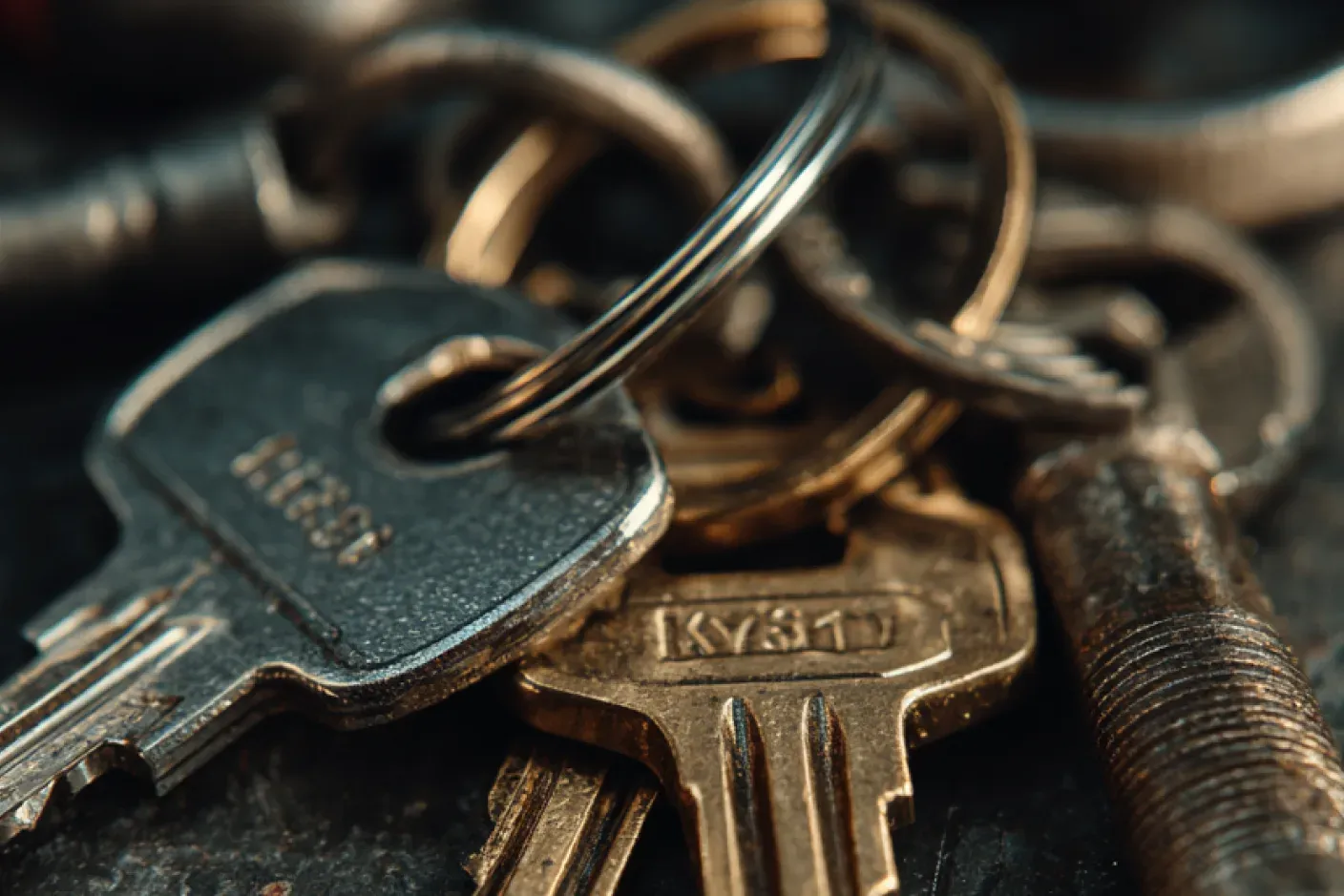
Cut properly, from your original
A key is a set of depths machined to a few thousandths of an inch. Copy it accurately and it turns smoothly for years. Copy it slightly off and it will still work — in your newest, loosest lock — while quietly failing in the tighter ones, and it will get worse each time it is used as the source for another copy.
That is why the fourth-generation hardware-store copy jams in the back door. Each generation inherited and added error.
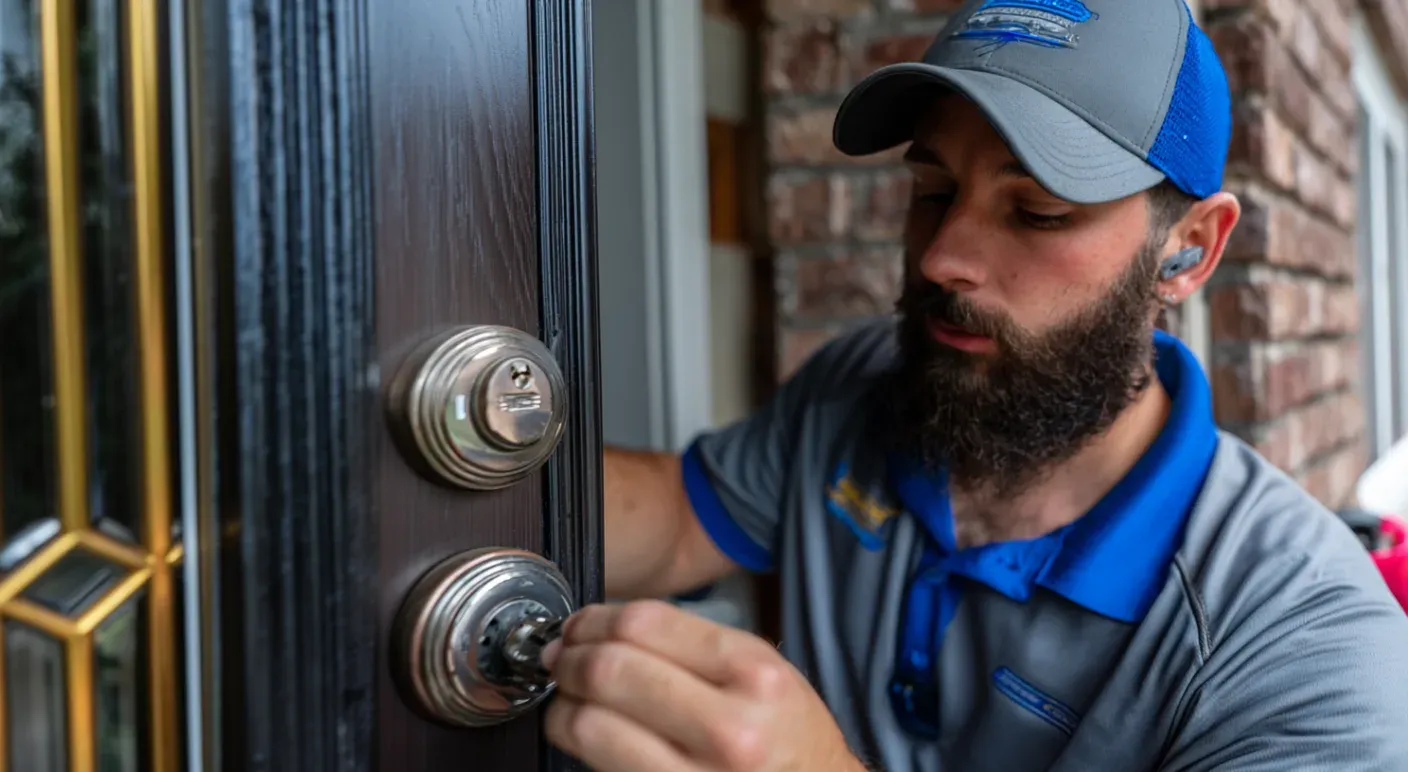
We cut on machines calibrated against gauge keys, always from your original where one exists, and we test the finished key in the lock it is for. If the original is itself worn past the point of being a good pattern, we will say so and cut a fresh one to code instead.
Car keys: the part hardware stores cannot do
Since the late 1990s essentially every vehicle has an immobiliser. There is a transponder chip in the key head, and the car will not start unless it hears the right response from that chip when the key turns.
A key-cutting kiosk copies the metal. It cannot write the chip. So the copy opens your doors, slides into the ignition, turns — and the engine cranks and dies, or does not crank at all.
Programming that chip needs diagnostic equipment plugged into the vehicle. We carry it. Whether it is a basic transponder key, a remote head key, or a push-to-start proximity fob, the spare gets cut and paired, then tested by actually starting your car.
Worth knowing: the price gap between “spare made while you have a working key” and “all keys lost” is large — the second one requires decoding or reprogramming the whole system from scratch. Getting a second car key cut while you still have the first is the single best-value thing on this page.
Where to keep them
- One in daily use.
- One with a partner, family member or housemate.
- One genuinely off-site — a desk drawer at work, a relative’s kitchen, anywhere that is not your property.
Not under the mat, not in a fake rock, not on top of the door frame. Those are the first three places checked, and they are checked every time.
If you need access for a cleaner, a dog walker or family, a small key safe fixed to the wall with a code you can change beats a hidden key by a wide margin — and we will fit one while we are there.
Locks that outlived their key
Sometimes there is nothing to copy — an old padlock, a filing cabinet bought second-hand, a storage unit that came with one key that vanished years ago. We can often cut by code from the lock itself, and where we cannot, picking it open and fitting a fresh cylinder is quick. Either way you are not left with a locked box you own and cannot open.