The service most people do not know exists
Ask most homeowners what to do when a key goes missing and they will say “change the locks.” It is the intuitive answer and it is usually the wrong one, because it throws away perfectly good hardware to solve a problem that lives entirely inside a cylinder the size of a wine cork.
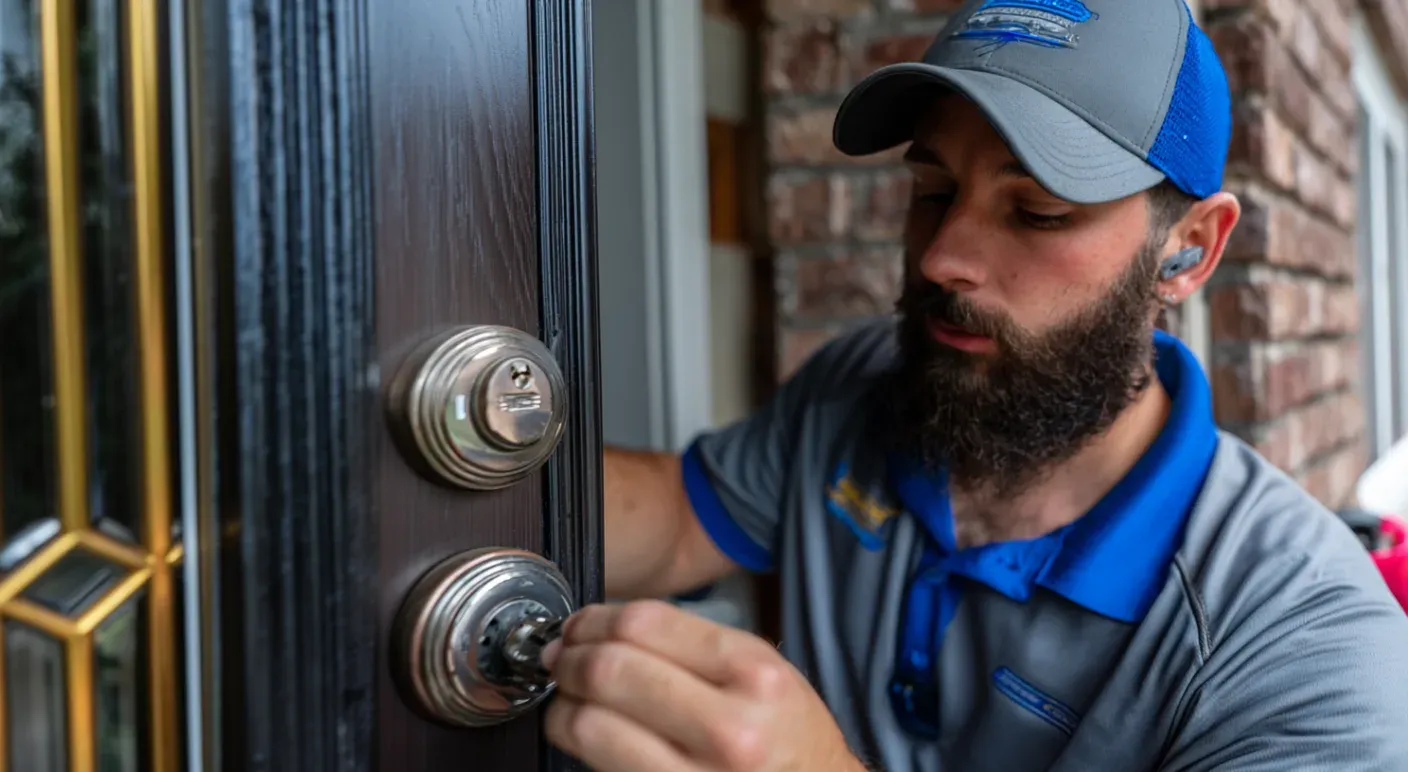
Rekeying is the actual answer. We take the cylinder apart, swap the small brass pins inside for a different combination of heights, and cut you a key that matches the new stack. The lock is physically identical. The old key now does nothing at all.
When you should rekey
You just bought a house. This is the big one. Think about who has held a key to a resale home: the sellers, their kids, a parent, the neighbor who watered the plants, two realtors, a lockbox, a painter, a cleaner, whoever bought the house before them. None of those people are villains. The point is that nobody — including the sellers — can tell you how many keys exist. A rekey resets that to zero on your first weekend.
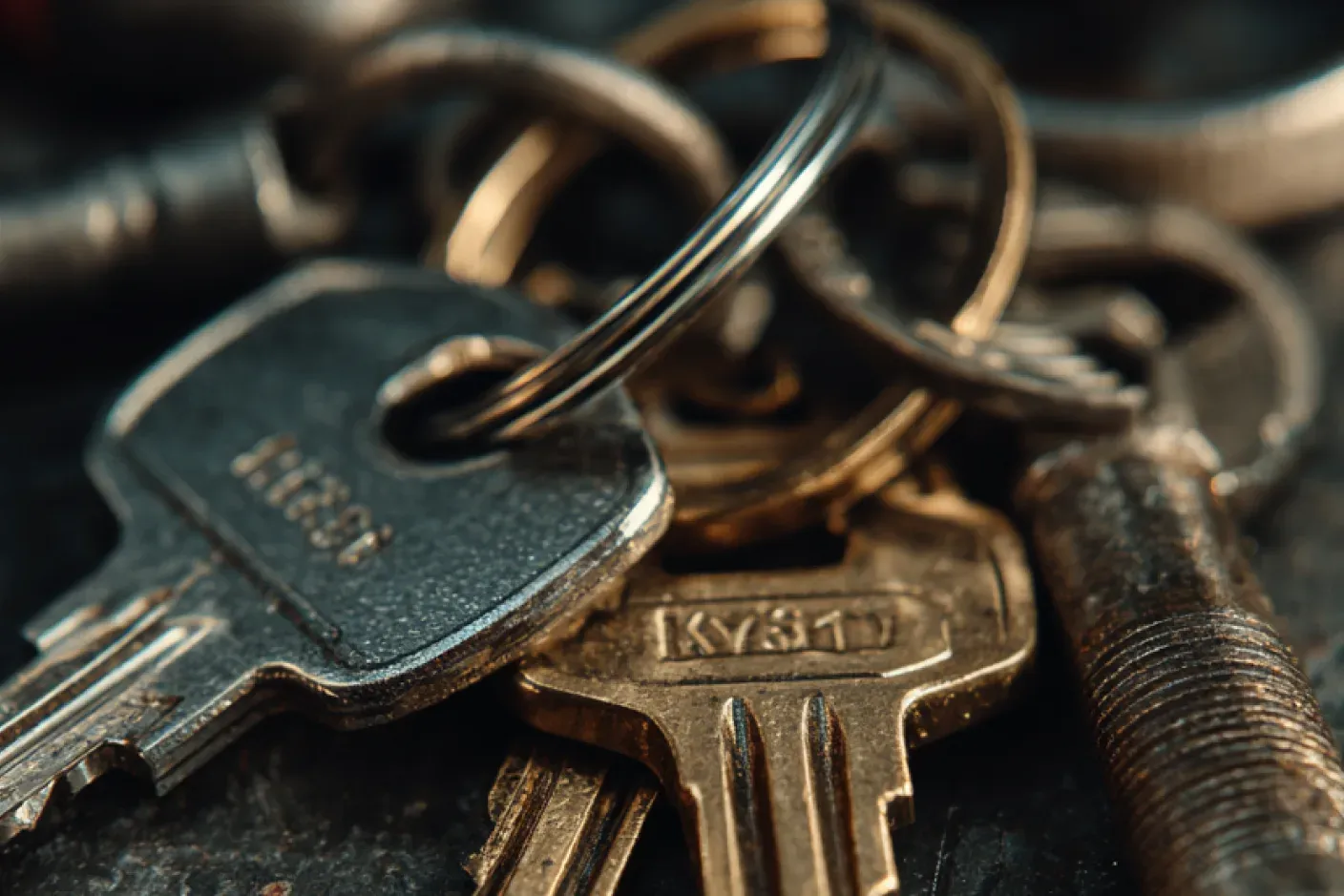
A key was lost or stolen. A key on its own is a piece of brass. A key in a wallet stolen with your driver’s license is a key with your address printed next to it. Treat that as urgent; we take these calls after hours for exactly that reason.
A tenancy ended. Whatever the tenant handed back, you cannot know what was copied. Rekeying between tenancies is standard practice, cheap per unit, and the thing that gets asked about first if something ever goes wrong.
A relationship ended, or someone left the company. Uncomfortable, ordinary, and by far the most common reason people call us mid-week.
You are tired of carrying five keys. Not a security reason, just a quality-of-life one — and it is free to ask for while we are already there.
Key-alike: one key for the whole house
Most homes accumulate locks. The front door came with the house, the back door was replaced after a break-in, the garage side door came from a big-box store, and the storm door key lives in a drawer because nobody can remember which one it is.
If those cylinders share a keyway family we can pin them all to a single new key during the same visit. If one is an outlier, swapping just that cylinder is usually cheap enough to be worth it. You leave with one key that opens everything you own.
Master keys, for businesses and landlords
A master system gives you a hierarchy: one key that opens everything, and individual keys that open only what each person should reach. The front office key does not open the stockroom. The stockroom key does not open the office. Yours opens both.
Designing one properly matters more than it sounds — a badly planned master system creates unintended key combinations that open doors nobody meant to grant. We chart the system before we cut anything.
The duplication problem nobody thinks about
Rekeying controls who has a working key today. It does nothing about tomorrow, because any standard key can be copied at any hardware store for a couple of dollars, by anyone holding it, with no permission from you.
If that matters — a rental you manage, an office with staff turnover, a house where a key had to go to someone you would rather it had not — ask about restricted keyways. The blanks are patented and only cut by authorized dealers against your written authorization. It costs more up front and it is the only way duplication actually stays under your control.